In last class we talked about different educational technology models, including SAMR, TIM, COI, and TPACK framework.
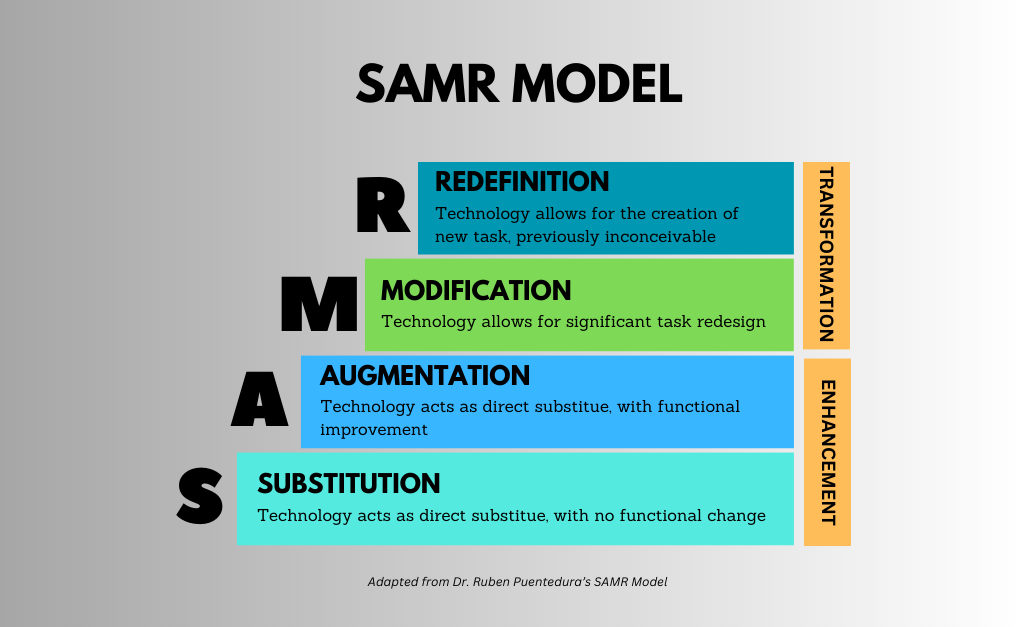
SAMR Model
SAMR is a model that explains how technology can be integrated into learning. It starts with Substitution, where tech simply replaces traditional tools, and moves up to Redefinition, where technology enables completely new learning experiences. The idea is to progress through these levels so technology isn’t just used the same old way but actually enhances learning.
Technology Integration Matrix
TIM is a framework that connects technology use with meaningful learning environments. It looks at how technology supports active learning, collaboration, and student engagement at different levels. Instead of just saying whether tech is used, it evaluates how effectively it improves learning experiences.
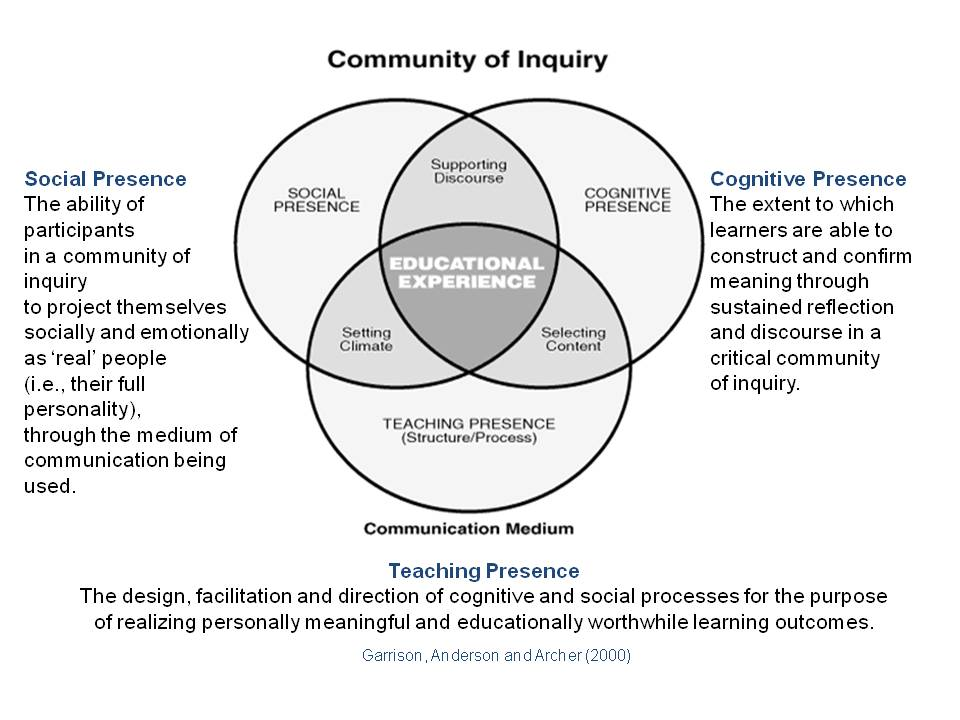
Community of Inquiry framework
The Community of Inquiry model focuses on three key ideas: cognitive presence, social presence, and teaching presence. Cognitive presence is about critical thinking, social presence emphasizes collaboration, and teaching presence involves guiding learning. Together, these elements aim to create a learning environment where students engage deeply with ideas and each other.
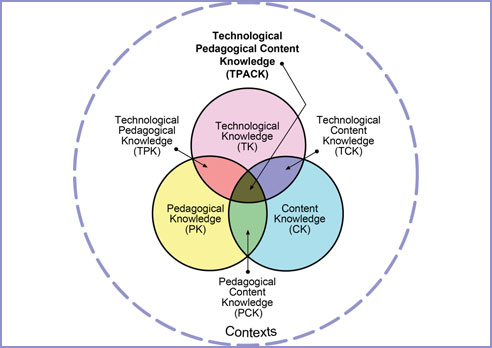
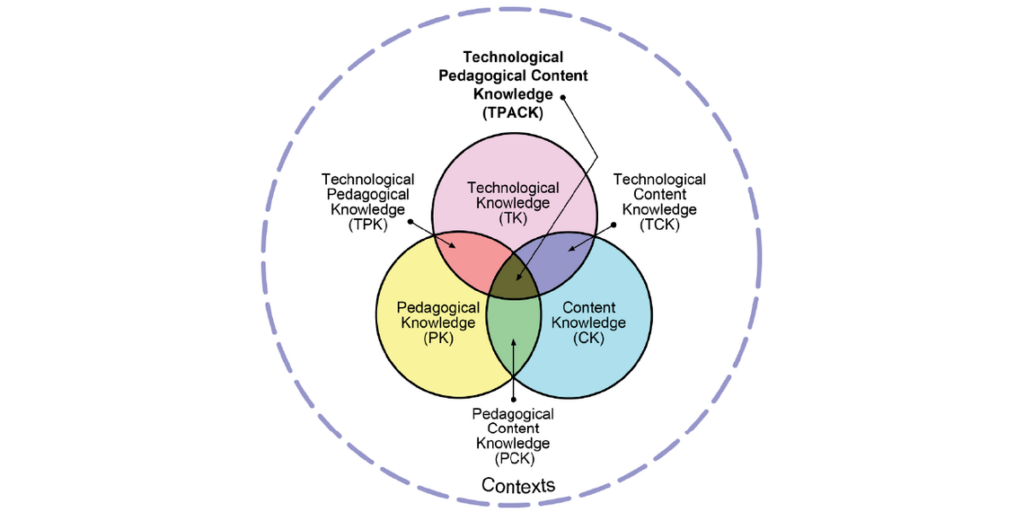
Technological Pedagogical Content Knowledge framework
TPACK is a model that balances technology, pedagogy, and content knowledge. It explains that effective teaching happens when technology supports learning and fits with good teaching strategies and subject content. The model highlights that all three areas must work together for technology to truly enhance education.
My personal favorite model is probably the SAMR Model because it makes tutoring math easier by using technology such as visualizations and change over time graphs really make understanding math far more easier and does not just limit the subject to symbols and numbers.
Hazza, thanks for a good overview of the four models and how you might apply them in your teaching. As you note, in teaching math, SAMR is one of the models that helps tech selection and use. The models, and like design templates, help guide us in planning instruction that engages students through technological choice.